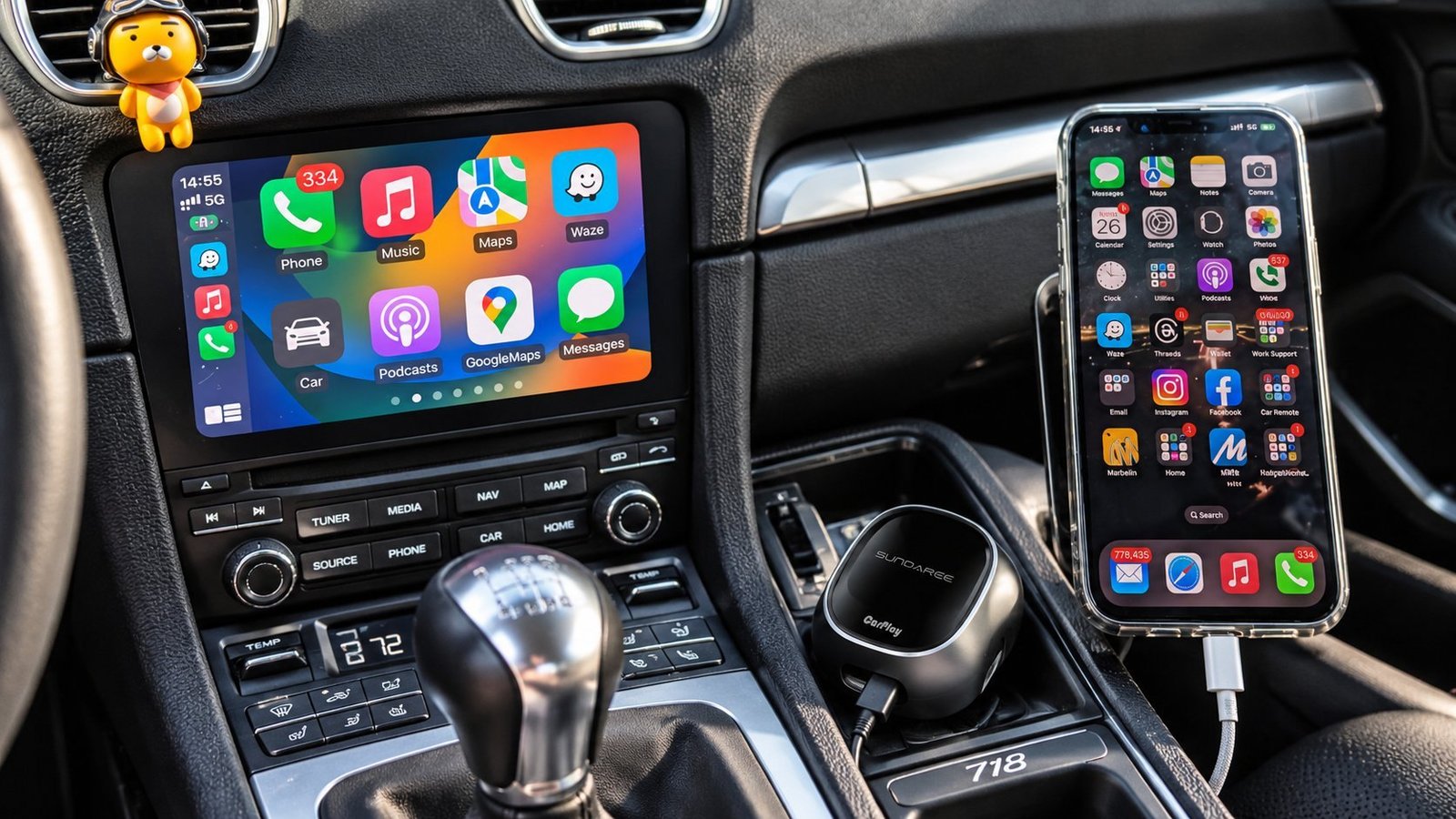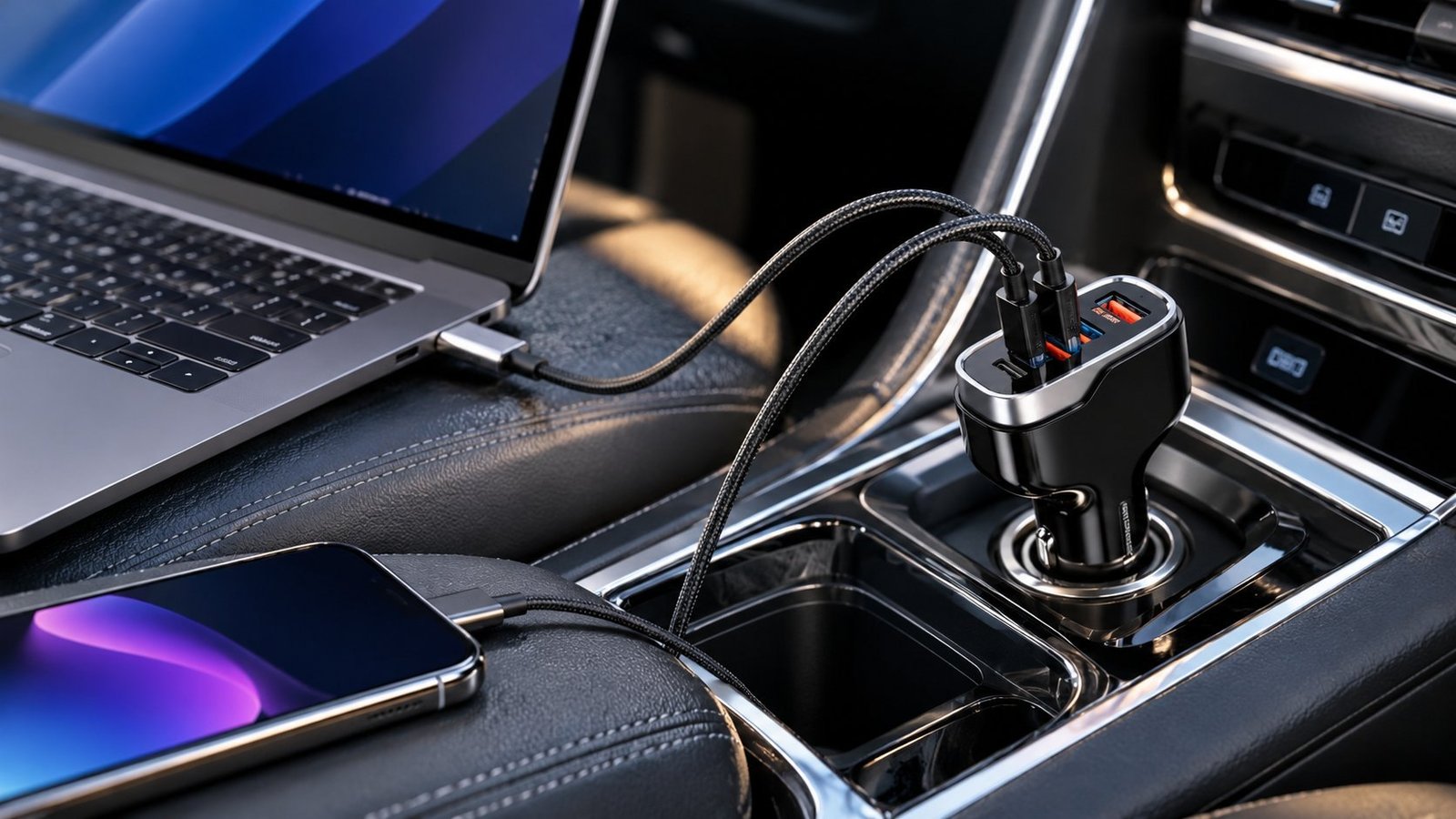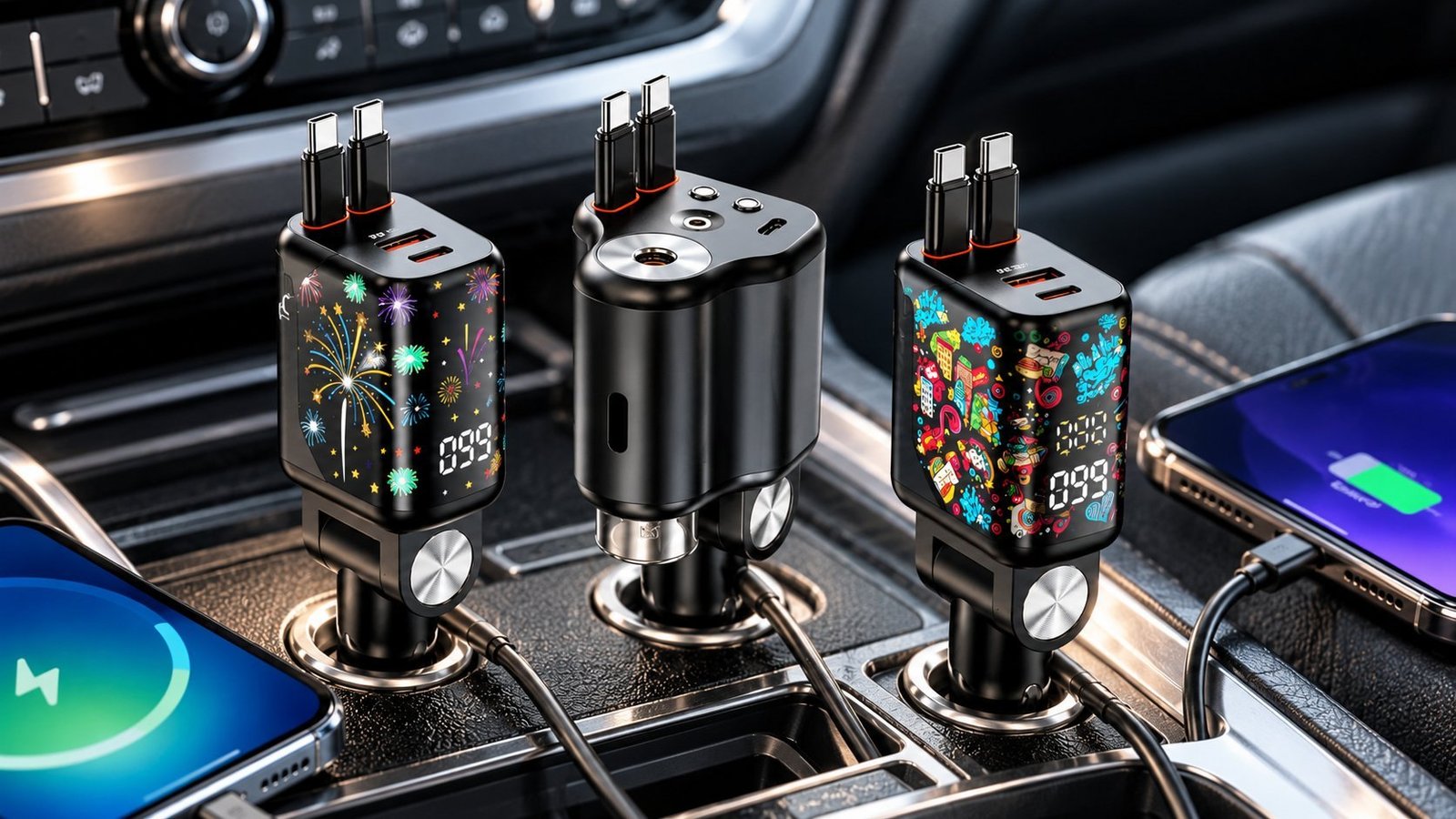
.lsunda-article-wrap{color:#1e293b;font-family:inherit;line-height:1.72;max-width:100%;text-align:left!important}.lsunda-article-wrap *{box-sizing:border-box}.lsunda-article-wrap h2{color:#334155!important;font-family:inherit;font-weight:700;font-size:clamp(1.45rem,2.2vw,1.9rem);line-height:1.32;margin:2.55em 0 .75em;text-align:left!important}.lsunda-article-wrap h3{color:#334155!important;font-family:inherit;font-weight:700;font-size:clamp(1.12rem,1.7vw,1.35rem);line-height:1.38;margin:1.85em 0 .65em;text-align:left!important}.lsunda-article-wrap p{color:#1e293b!important;margin:0 0 1.05em;font-size:1rem;text-align:left!important}.lsunda-article-wrap a{color:#046bd2;text-decoration:none;font-weight:500}.lsunda-article-wrap a:hover{color:#045cb4;text-decoration:underline}.lsunda-list{margin:1.1em 0 1.9em;padding:0;list-style:none;display:grid;gap:.65em}.lsunda-list li{position:relative;padding:.78em 1em .78em 2.25em;border:1px solid #ECEFF3;border-radius:8px;background:#fff;text-align:left!important}.lsunda-list li::before{content:””;position:absolute;left:.95em;top:1.32em;width:.42em;height:.42em;border-radius:50%;background:#046bd2}.lsunda-imgrow{display:grid;grid-template-columns:repeat(2,minmax(0,1fr));gap:1.15em;margin:1.8em 0 2.1em;align-items:stretch}.lsunda-imgrow-odd{max-width:calc(50% – .575em);margin-left:auto;margin-right:auto;grid-template-columns:1fr}.lsunda-imgcol{min-width:0;overflow:hidden;border-radius:8px;background:#fff}.lsunda-figure{margin:0;overflow:hidden;border-radius:8px;background:#fff;height:100%}.lsunda-figure img,.lsunda-article-img{width:100%;aspect-ratio:1/1;height:100%;display:block;border-radius:8px;border:1px solid #ECEFF3;object-fit:cover;transition:transform .22s ease;transform-origin:center center}.lsunda-figure:hover img,.lsunda-article-img:hover{transform:scale(1.018)}.lsunda-tablewrap{width:100%;max-width:100%;overflow-x:auto;-webkit-overflow-scrolling:touch;margin:1.55em 0 2em;border:1px solid #D1D5DB;border-radius:8px;background:#fff}.lsunda-table{width:100%;min-width:760px;border-collapse:collapse;table-layout:auto;font-size:.95rem;color:#1e293b;background:#fff}.lsunda-table tr:first-child{background:#F0F5FA}.lsunda-table th,.lsunda-table td{text-align:left!important;padding:.85em 1em;border:1px solid #ECEFF3;vertical-align:top;line-height:1.55;overflow-wrap:anywhere}.lsunda-table th,.lsunda-table td:first-child{font-weight:700;color:#334155}.lsunda-table tr:not(:first-child):hover{background:#F9FAFB}.lsunda-faq{margin:1.15em 0 2.1em;border-top:1px solid #ECEFF3;text-align:left!important}.lsunda-faq-item{border-bottom:1px solid #ECEFF3;padding:0;margin:0;background:#fff}.lsunda-faq-q{cursor:pointer;list-style:none;color:#334155;font-weight:700;font-size:1.03rem;padding:1.05em 2.3em 1.05em .15em;position:relative;line-height:1.5;text-align:left!important}.lsunda-faq-q::-webkit-details-marker{display:none}.lsunda-faq-q::after{content:”+”;position:absolute;right:.35em;top:50%;transform:translateY(-50%);color:#046bd2;font-size:1.35rem;font-weight:500}.lsunda-faq-item[open] .lsunda-faq-q::after{content:”-“}.lsunda-faq-q:hover{color:#046bd2}.lsunda-faq-a{padding:0 .15em 1.15em;color:#1e293b;text-align:left!important}.lsunda-final-cta{margin:2.4em 0 2.2em;padding:1.45em 1.55em;border:1px solid #D1D5DB;border-left:4px solid #046bd2;border-radius:8px;background:#F9FAFB;text-align:left!important}.lsunda-final-cta h2{margin-top:0;text-align:left!important}.lsunda-cta-button{display:inline-flex;align-items:center;justify-content:center;min-height:44px;padding:.76em 1.15em;border-radius:4px;background:#046bd2;color:#fff!important;font-weight:700;line-height:1.2;text-decoration:none!important;transition:background-color .2s ease,transform .2s ease}.lsunda-cta-button:hover{background:#045cb4;color:#fff!important;transform:translateY(-1px)}@media(max-width:768px){.lsunda-article-wrap h2{margin-top:2.15em}.lsunda-imgrow,.lsunda-imgrow-odd{grid-template-columns:1fr;gap:1em;max-width:100%}.lsunda-figure img,.lsunda-article-img{height:auto;aspect-ratio:auto;object-fit:contain}.lsunda-final-cta{padding:1.2em}}@media(max-width:640px){.lsunda-table{min-width:620px;font-size:.9rem}.lsunda-table th,.lsunda-table td{padding:.7em .78em}}
The word "converter" covers four different products in the car USB category. That is why search results for "car USB converter" show five-star and one-star reviews sitting side by side. A charge-only USB adapter and an AUX-to-USB audio adapter look similar in photos and carry the same keyword. They do completely different jobs. This guide maps each type to its real function so you buy the right one.
A charge-only car USB converter supplies power only. Playing music through USB needs a data connection to a compatible head unit. No adapter creates that connection on a port built for power only.
| Your need | Right product type |
|---|---|
| Charge phone fast | Cigarette-lighter USB charger (PD or QC3.0) |
| Play music via USB | USB audio adapter with DAC, compatible head units only |
| Power dash cam or rear seat | Socket splitter with fused outputs |
| Use wall charger in car | Car-to-wall converter plug adapter |
Type 1: Cigarette-Lighter-to-USB Converters
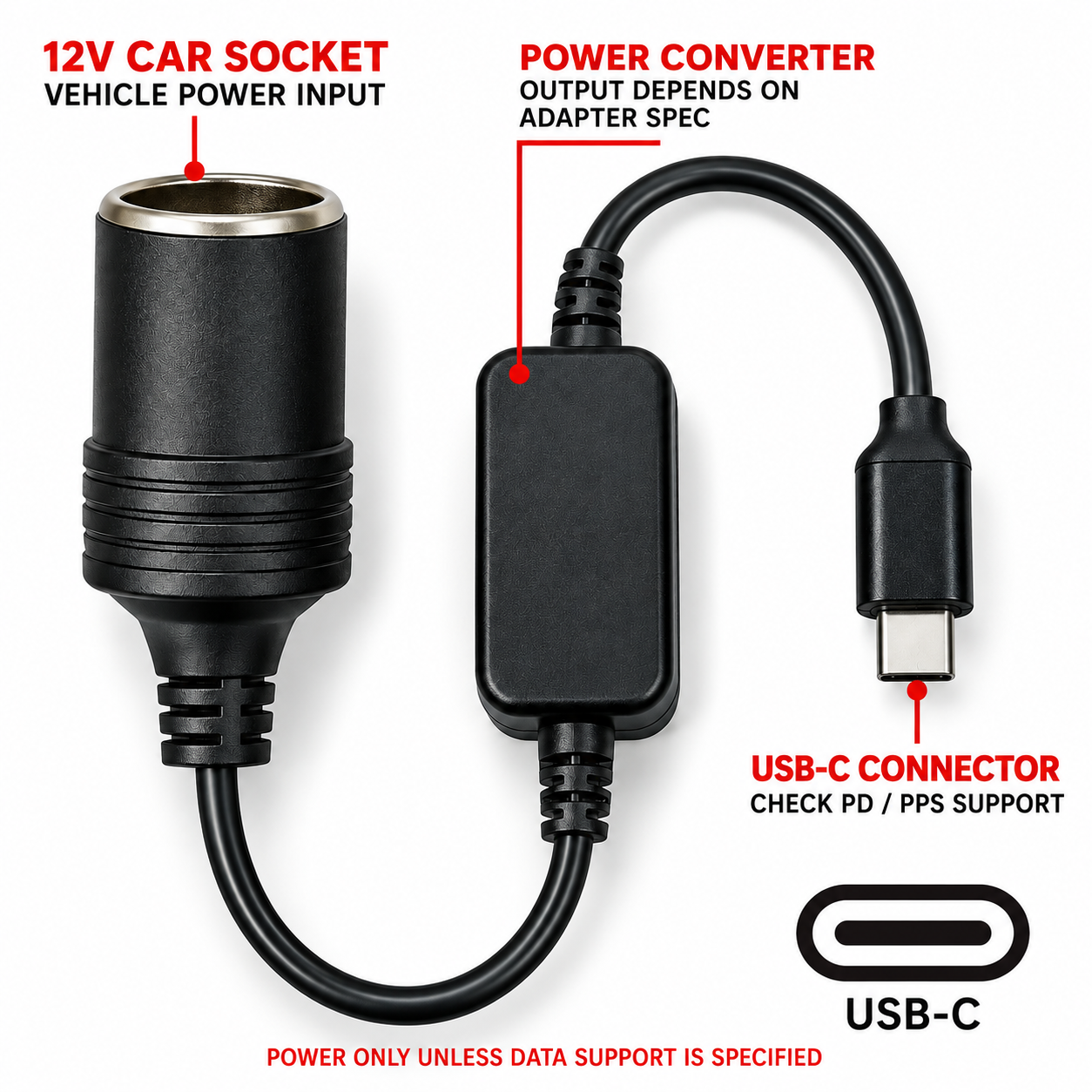
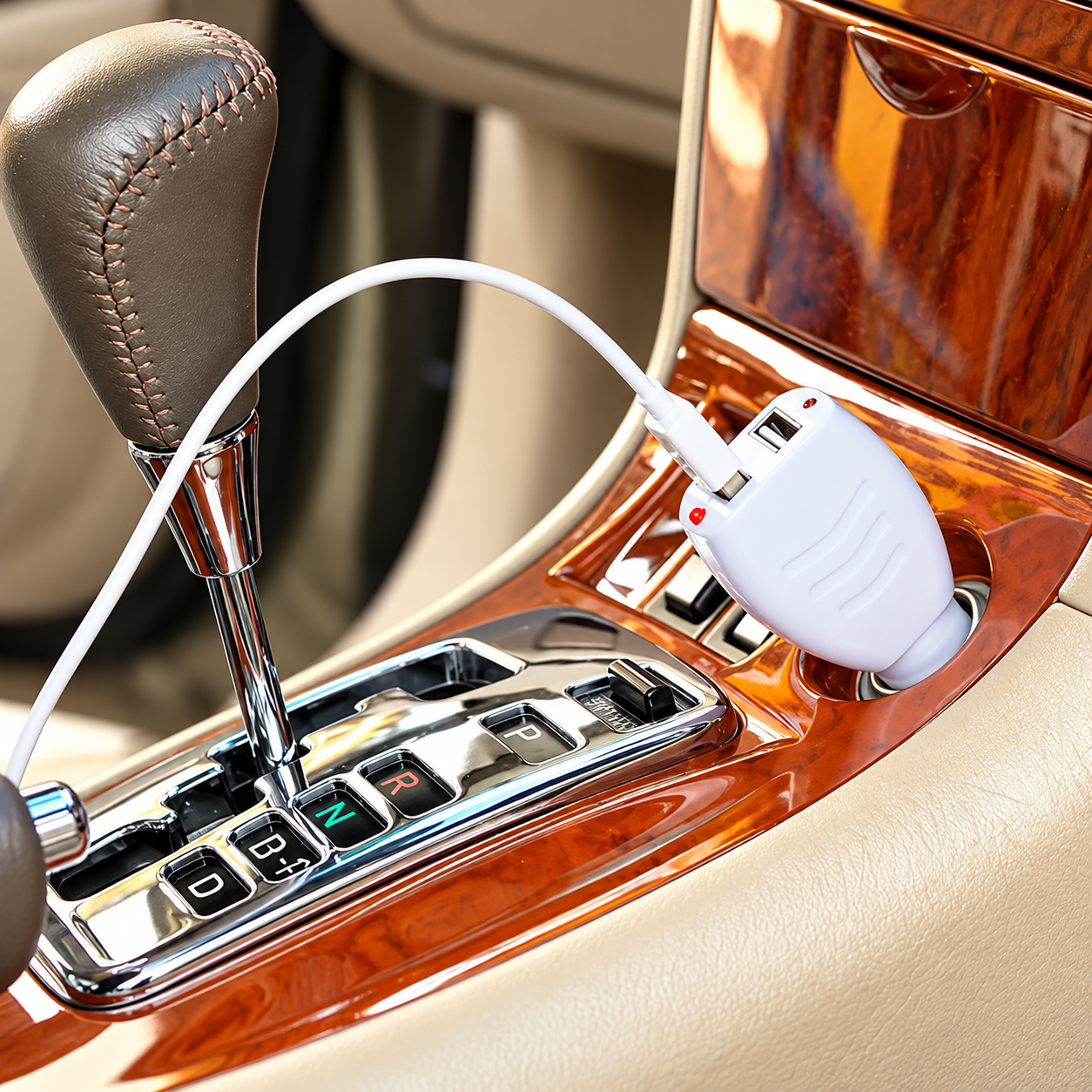
This is the main product in the car USB converter category. A plug goes into your 12V cigarette-lighter socket and gives you one or more USB-A or USB-C ports on a compact head. Most sit flush with the dash. A few extend on a short cable for center-console mounting.
The real difference between units is the charging controller IC. A cheap unit outputs 5V at 1A per port regardless of what the box says. A unit with a proper protocol chip runs the handshake that gets an iPhone or Samsung Galaxy S-series phone to 20W or higher. That handshake happens over the CC contact in USB-C and through D+ and D- signaling on USB-A.
What to check before ordering:
| Spec | Minimum | Recommended |
|---|---|---|
| USB-C port | 18W PD | 30W PD with PPS |
| USB-A port | 12W | 18W QC3.0 |
| Total output | 30W | 65W+ for multi-port |
| Certifications | CE, RoHS | CE, FCC, RoHS, E-Mark |
| Protection | Overcurrent | OVP + OCP + SCP + thermal shutdown |
For iPhone 15 fast charging, the USB-C port needs to advertise 9V/3A. For Samsung Galaxy S-series at 45W, the port must include PPS. A unit that does not list per-port wattage separately is not confirming either.
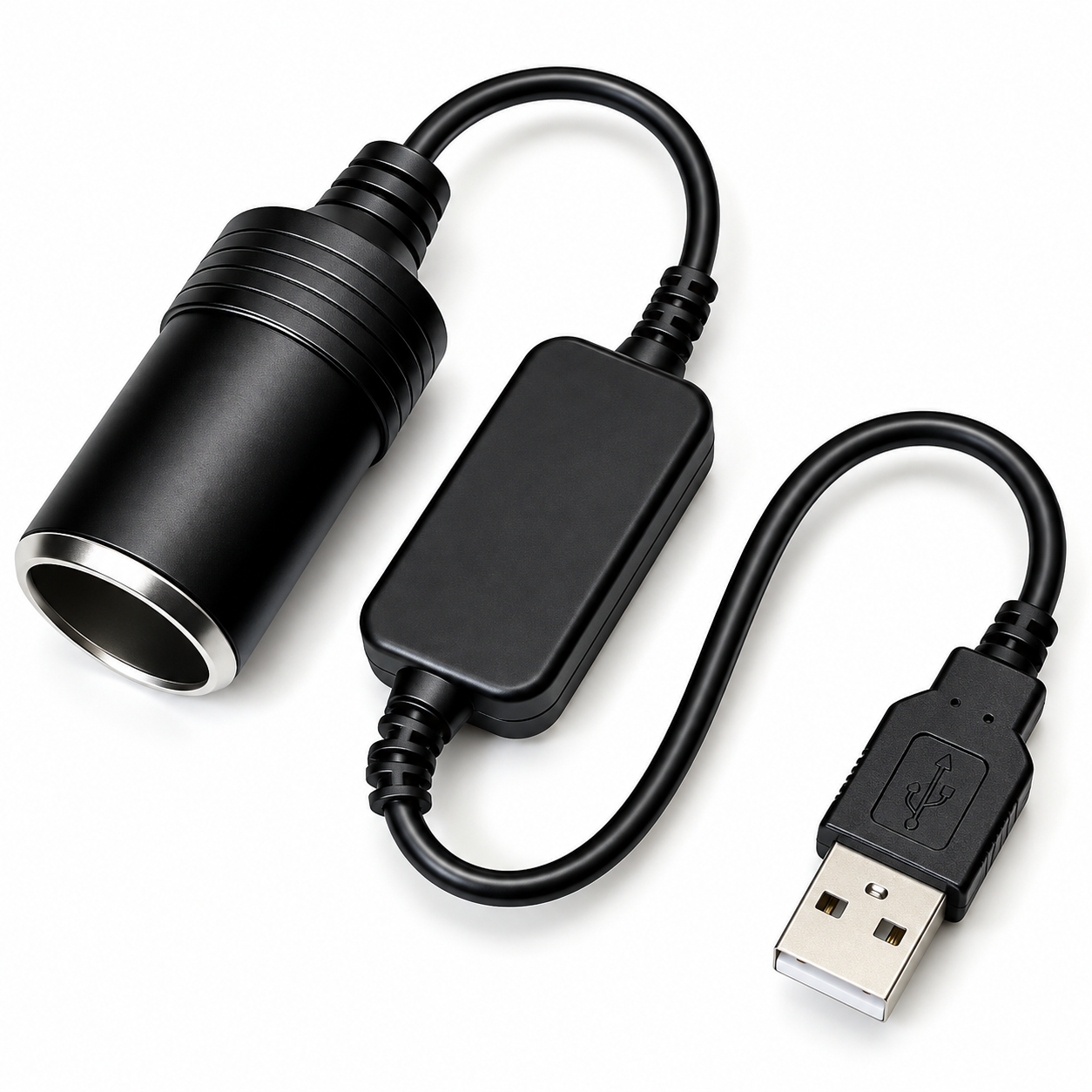
SUNDA's car charger range runs from 40W single-port to 230W multi-port, with per-port PDO documentation and CE, FCC, RoHS, and E-Mark across the line.
Type 2: AUX-to-USB and Audio Adapters
Searches for "auxiliary to USB converter for car" mostly come from people who want to play music through a phone app when their car only has a 3.5mm AUX socket. The question is reasonable. Most products on the market give the wrong answer.
An AUX input on a head unit is an analog input. It receives a signal from the outside. A USB port on a charger is a power and data output. Plugging a cable between them carries no audio signal in either direction.
Playing music through USB requires three things at the same time: a head unit with a USB audio host port, a cable with active data lines, and a connected device the head unit can enumerate as a USB audio class device. A standard car USB charger port has none of these. It does not enumerate devices. It supplies 5V and nothing else.
What actually works:
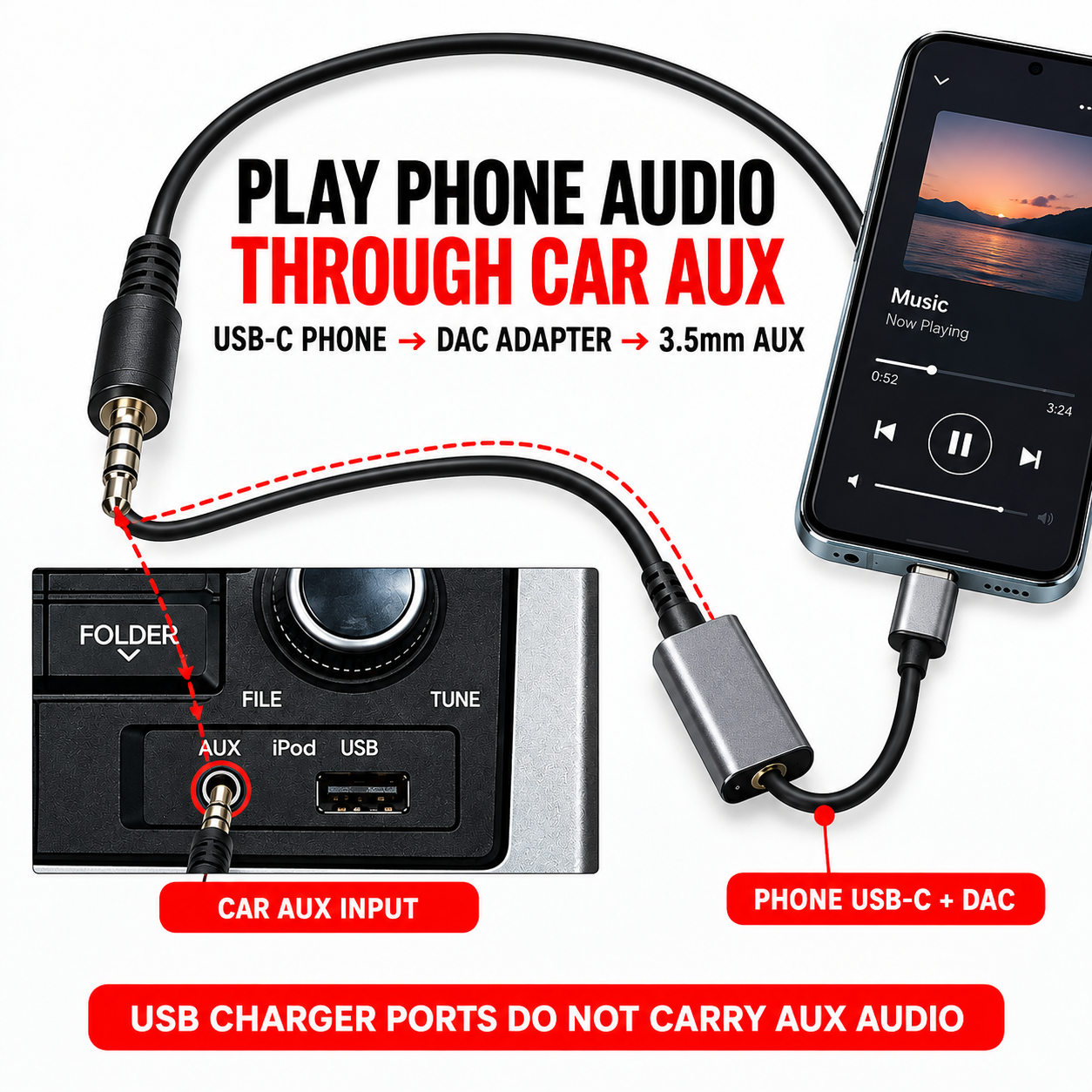
A USB-C to 3.5mm DAC adapter connects to your phone's USB-C port and outputs analog audio to the AUX input on your head unit. That is the reverse direction of what most buyers searching for "car AUX to USB adapter" expect to buy. The DAC (digital-to-analog converter) chip sits inside the small adapter dongle and does the conversion.
FM transmitters and Bluetooth AUX receivers are the other two paths for vehicles with no USB audio host port and no Bluetooth built in.
Type 3: Data vs Charge-Only Cables and Ports
Not all USB ports carry data. Not all USB cables carry data. This is the second-biggest source of confusion in the car USB converter category, and it affects CarPlay, Android Auto, and any USB-based audio setup.
A charge-only USB-A port omits the D+ and D- data lines internally. The socket looks identical to a data port. A charge-only cable does the same at the cable level: the connector fits, current flows, but no data transfer happens.
How to confirm in 30 seconds: plug your phone into the port or cable and connect the other end to a PC. If the PC recognizes the phone as a device and prompts for a transfer mode, data lines are present. If nothing happens except charging, it is charge-only.
This matters for CarPlay and Android Auto (both need data), dash cam recording to a connected phone, and firmware updates over USB. If a supplier's spec sheet says "USB port" without specifying data, assume charge-only until you get written confirmation.
SUNDA's charging cables carry full data lines by default. E-Mark variants are available for runs above 60W where the E-Mark chip is required for safe high-current operation.
Type 4: Plug-to-Charger and Socket Splitters
Two more product types share the "converter car charger" search space.
Wall-to-car adapter: This lets you plug a standard wall charger into a 12V cigarette-lighter socket. A converter steps the 12V input up or down to match what the wall charger expects. These are rarely efficient and add bulk. A purpose-built car USB charger with PD built in is almost always the better option for phone and tablet charging. SUNDA's wall charger line also covers compact GaN options if you need a single charger for both home and travel.
Socket splitters: A splitter gives you two or three 12V outputs from one socket, often with USB ports built into the head. These are useful for powering a dash cam, a GPS unit, and a phone charger at the same time from a single socket.
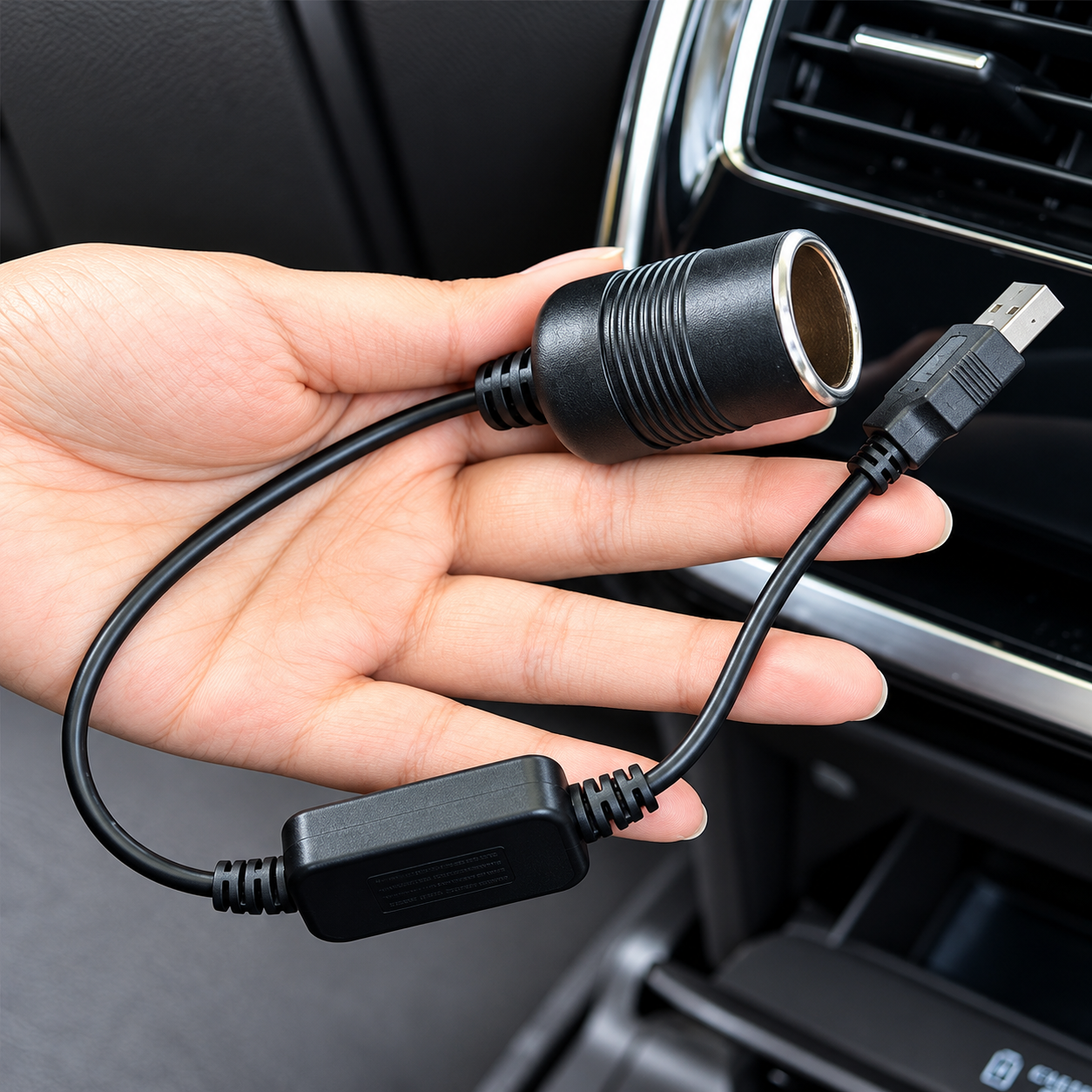

The fire risk: your original lighter socket is typically fused at 10A or 15A from the factory. At 12V, a 15A fuse allows 180W total. The 80% rule limits safe continuous draw to 144W. A splitter does not add capacity. Stack a 65W charger, a dash cam at 10W, and a GPS at 5W off a 10A socket and you are already near the limit before the engine cranks. Check your vehicle's fuse rating before connecting multiple devices through a splitter.
Buying Checklist and Compatibility Matrix
This table maps your actual need to the right product type before you order.
| Need | Right product | Key spec to verify |
|---|---|---|
| Fast-charge one phone | Cigarette-lighter USB charger | USB-C PD 18W+, PPS for Samsung |
| Play music without Bluetooth | USB-C to 3.5mm DAC adapter | DAC chip, phone USB-C compatibility |
| CarPlay or Android Auto | Full-data cable and data-capable USB port | D+ and D- lines confirmed |
| Power multiple devices | Socket splitter | Total draw vs fuse rating |
| Flexible port mix for OEM | Multi-port car charger, custom spec | Per-port PDO table, certifications |
Certification checklist:
- CE and RoHS for European markets
- FCC for North American retail
- E-Mark for in-vehicle devices in EU territories
- CCC for China domestic market
- Per-port overcurrent protection and thermal shutdown on every unit
Importer's Note: What Converts to Shelf Sales
For importers, distributors, and private-label brands, the cigarette-lighter-to-USB charger is the category anchor. It carries the highest reorder volume, a clear certification path, and straightforward spec verification.
AUX-to-USB audio adapters generate high return rates from buyers who expect them to add a USB audio port to a vehicle that does not have one. If you stock them, the product listing must be specific. "DAC adapter, phone USB-C to 3.5mm AUX output" is accurate. "AUX to USB converter" is how they get returned.
Socket splitters earn shelf space in fleet and workshop supply channels, where buyers understand total current budgets and order accordingly.
SUNDA's OEM and ODM programs cover car USB chargers from 40W to 230W with custom logo, packaging, and port configuration from 500 units. CE, FCC, RoHS, E-Mark, and UL are active across the current production line. Standard production lead time is 7 to 15 days.
Send your port configuration, target market, and annual volume and we will reply within two business days with a model recommendation and pricing.
Source Car USB Converters for Your Market
Need a cigarette-lighter USB charger, socket splitter, cable, or private-label charging setup? Send your port configuration, target market, and annual volume, and the SUNDA sourcing team will recommend the right model.
FAQ
Can a USB car charger play music through my stereo?
No. A standard USB car charger supplies power only. Playing music through a vehicle stereo via USB requires a head unit with a USB audio host port and a cable with active data lines. If your head unit has only an AUX input, use a USB-C to 3.5mm DAC adapter from your phone to the AUX socket, not a USB charger adapter.
What is a car USB converter and do I need one?
A car USB converter is an adapter that plugs into a 12V cigarette-lighter socket and provides USB charging ports. You need one if your vehicle has no built-in USB ports, or if the built-in ports are charge-only and you want faster charging through a PD or QC3.0 unit.
Why won't my AUX-to-USB adapter play music?
Most AUX-to-USB products transfer power, not audio signals. An AUX input on a head unit is an analog input that receives a signal. A USB charger port outputs power. No passive cable makes them exchange audio. You need a DAC adapter that takes digital audio from your phone's USB-C port and outputs an analog signal to the AUX jack. The DAC chip does the conversion inside the dongle.
Are USB-C and USB-A car converters interchangeable?
For charging, both types serve the same purpose at different speeds. USB-C with PD reaches 20W to 100W per port. USB-A with QC3.0 reaches 18W. For data, USB-C carries more bandwidth and is required for newer devices. For audio, the connector type matters less than whether the port carries data lines at all.
Can I use a wall charger adapter in a car?
Yes, with a wall-to-car converter that accepts a standard plug and converts 12V socket output. These are less efficient than a purpose-built car USB charger and add bulk. For most phone and tablet charging in a vehicle, a car USB charger with built-in PD is the cleaner option.
How many amps should a car USB converter provide?
For a single phone: at least 2A at 9V (18W) for fast charging. For two phones at the same time: 3A total minimum across ports. For phones plus a tablet: look for 65W total with per-port PDO documentation rather than a combined headline wattage figure. Per-port specs tell you what each port actually delivers under load.